How to Choose a Practical Storage Case for Your Smoking Accessories
When you own several smoking accessories, keeping them organised and safe becomes a real concern. A well-chosen storage case does more than tidy up a shelf; it protects your gear from dust, impact, and daily handling. The most practical cases balance protection, size, and easy access, so your items stay in good shape and are ready when you need them.
What Makes a Storage Case Practical
A practical storage case for smoking accessories should first of all keep breakable items safe. Borosilicate glass pieces, such as water pipes or dab rigs, are fragile and expensive to replace. A case with a rigid outer shell and soft interior padding will absorb knocks and prevent the glass from rattling against hard surfaces. Look for cases that have customisable foam inserts or padded dividers, so each item has its own snug compartment.
Second, the case should be airtight enough to contain odours and moisture. An airtight container will stop smells from leaking out and keep humidity levels stable. This is especially useful if you carry your accessories in a bag or keep them in a shared space. A silicone gasket around the lid or a locking latch with a rubber seal are signs of a well-sealed case.
Third, the case should be easy to clean. Smoking accessories leave behind resin and dust, and the case itself can get grimy over time. Materials like hard plastic or silicone can be wiped down with a cleaning solution without damage. Avoid cases with porous fabrics that absorb stains and smells, unless the fabric is removable and machine-washable.
Size and Portability
The right size depends on what you plan to store. A small case for a single water pipe and a downstem is different from a larger case that holds multiple pieces, a torch, and a storage jar for herbs. Think about where you will use the case. If you travel often, a compact protective case that fits inside a backpack is practical. If you mostly store items at home, a larger case with separate layers or trays can keep everything organised without crowding.
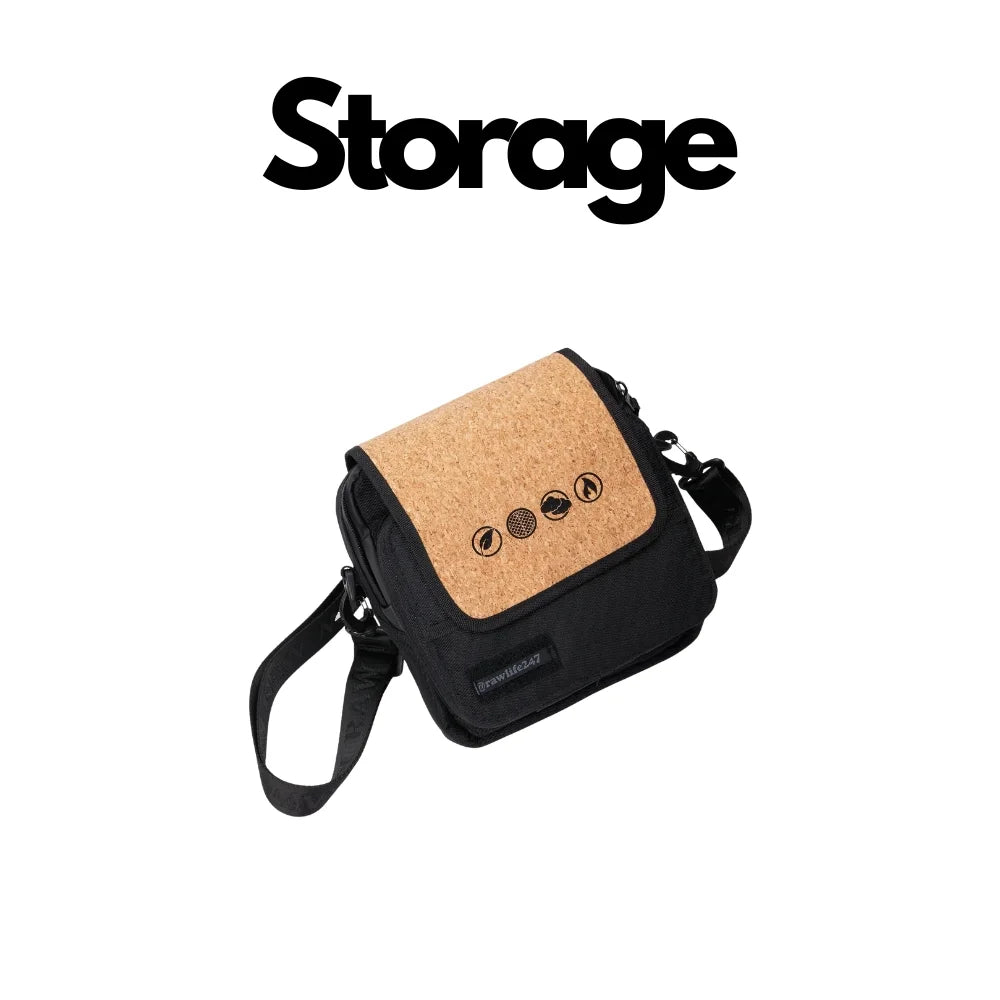
Portability also matters for carrying comfort. A case with a sturdy handle is fine for short trips, but if you walk or cycle, a shoulder strap or a backpack-style case may be better. Check the weight of the case when empty. A heavy case with thick padding can protect well, but it adds to the load. Find a trade-off between protection and weight that suits your habits.
Material and Build Quality
The material of the case determines its durability and how well it protects the contents. Hard plastic cases with foam interiors are a common choice because they resist crushing and are waterproof. Some hard cases have a rubberised exterior that grips surfaces and absorbs minor impacts. Soft cases made of nylon or polyester are lighter and easier to pack, but they offer less protection against heavy drops. For most smoking accessories, a hard case with a padded interior is the safer option.
Silicone material is another option for certain accessories. Silicone cases are flexible, waterproof, and easy to clean. They work well for storing smaller items like dab tools, carb caps, or pre-rolled cones. However, silicone does not protect against crushing, so it is best used inside a larger bag or combined with a rigid outer sleeve.
Internal Organisation
A practical case makes it easy to find what you need. Look for cases with removable dividers, elastic straps, or zippered mesh pockets. These features let you separate clean and used parts, keep small tools from getting lost, and hold a cleaning solution bottle upright. For example, one compartment can hold the main water chamber, another can store the downstem and bowl, and a small pocket can hold a brush and a container for spent material.
Some cases have a dedicated section for Nicotine Vapes. This is handy if you use both dry herb devices and vape cartridges. Having a separate, padded slot for a vape pen or pod system prevents it from rolling around and getting scratched. If you carry multiple Nicotine Vapes, look for a case that has individual slots or foam cutouts for each device. This kind of organisation saves time and reduces the chance of mixing up devices or losing small parts.

Protection from Breakage and Spills
Breakage protection is the main reason people invest in a storage case. A good case will have thick foam that conforms to the shape of the items. Some cases use pick-and-pluck foam, which lets you customise the layout by removing small cubes of foam to create exact cutouts for each piece. This is especially useful for irregularly shaped glass pieces that do not fit standard dividers.
Spills are another concern. If you carry a water pipe with residual water, or a bottle of cleaning solution, a leak can ruin the interior of a regular bag. An airtight container with a waterproof lining will contain the liquid and protect the other items. Some cases have a separate liquid-proof pouch for wet items, which adds a layer of safety.
Everyday Use and Maintenance
A practical case should not be a hassle to open and close. Locks are useful if you need to secure the contents from children or in shared spaces, but for everyday use a simple latch or zipper is faster. Zippers should be robust and run smoothly without catching the fabric. Cases with a hinge and a single latch are easy to open with one hand, which is convenient when you are in a hurry.
Cleaning the case itself should be straightforward. Hard plastic interiors can be wiped with a damp cloth and mild soap. Foam liners can be vacuumed or brushed to remove dust and debris. If the case has fabric sections, check the care instructions. Some cases have removable liners that can be hand-washed. Keeping the case clean will prevent it from developing a lingering smell and will extend its life.
Trade-offs to Keep in Mind
No storage case is perfect for every situation. A heavy-duty protective case that is virtually indestructible may be too bulky for everyday carry. A slim, lightweight case may be easy to transport but offers little shock absorption. Think about the balance between protection and convenience that fits your routine. If you mostly use your accessories at home, a sturdy case that stays on a shelf can be larger and more protective. If you take your gear to a friend's place or on trips, a smaller, lighter case with good padding is a better choice.

The same applies to cost. A high-end case with custom foam and an airtight seal costs more, but it may save you from replacing broken glass. A basic padded bag costs less and may be fine if you are careful and only carry a few items. Evaluate the value of your accessories and how often you move them. A case that costs a fraction of the price of a broken water pipe is a worthwhile investment.
Finally, remember that a storage case is only as good as how you use it. Taking the time to arrange items properly inside the case, replacing foam when it wears out, and cleaning the case regularly will keep your accessories protected and organised for a long time.